Buying in Jonesboro often comes down to one big question: should you choose a brand-new home or look in an established neighborhood? If you are weighing modern finishes against location, lot character, or budget, you are not alone. The good news is that Jonesboro gives you real options, and understanding the tradeoffs can help you buy with more confidence. Let’s dive in.
Jonesboro Is Not One Simple Market
Jonesboro continues to grow, with an estimated population of 83,296 in 2025, up 6.1% from 2020. At the same time, the city has a mix of newer growth areas and older central housing, which means your decision is about more than just home age.
Local planning documents show that newer housing is concentrated in the southern and eastern parts of Jonesboro, while older housing that may need more maintenance is more common in the central city. About one-third of the city’s housing stock was built before 1970, and more than 70% of the housing added between 2014 and 2022 was single-family. That mix gives buyers a wide range of choices, but it also means you need to compare specific areas, not broad assumptions.
What New Construction Often Offers
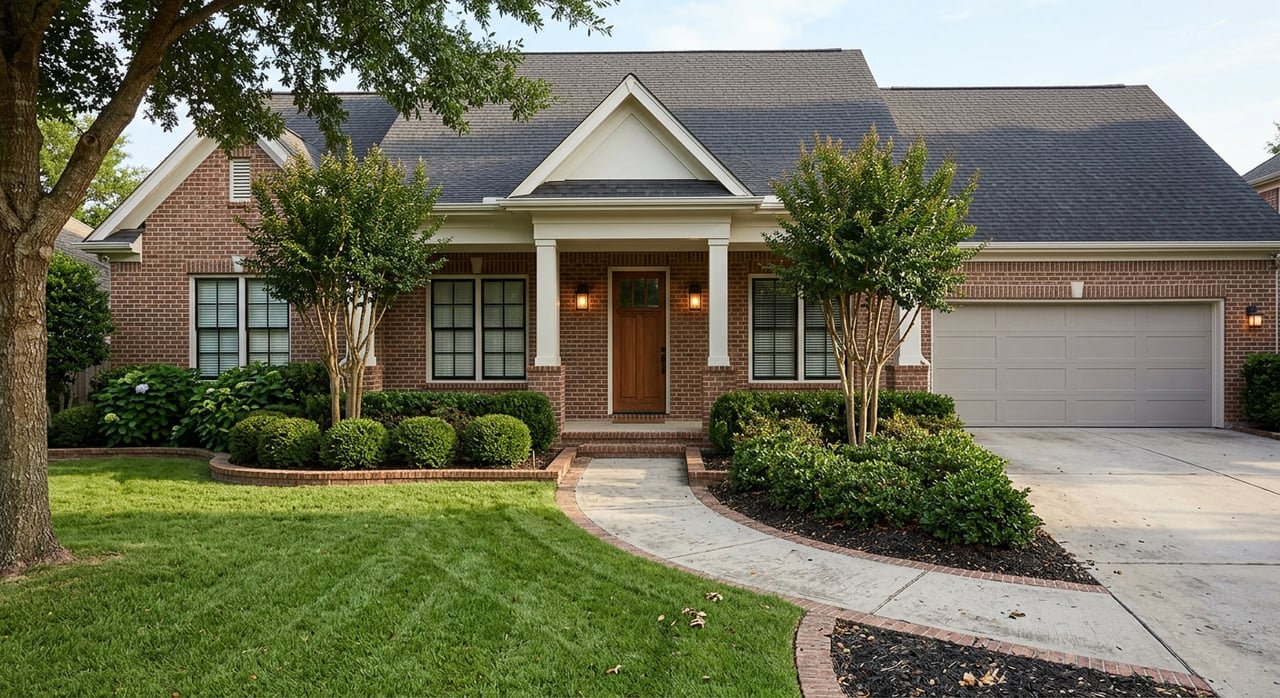
If you want a home with modern design, updated systems, and energy-efficient materials, new construction may be appealing. Many buyers like the idea of moving into a home where everything is brand new and less likely to need immediate repair.
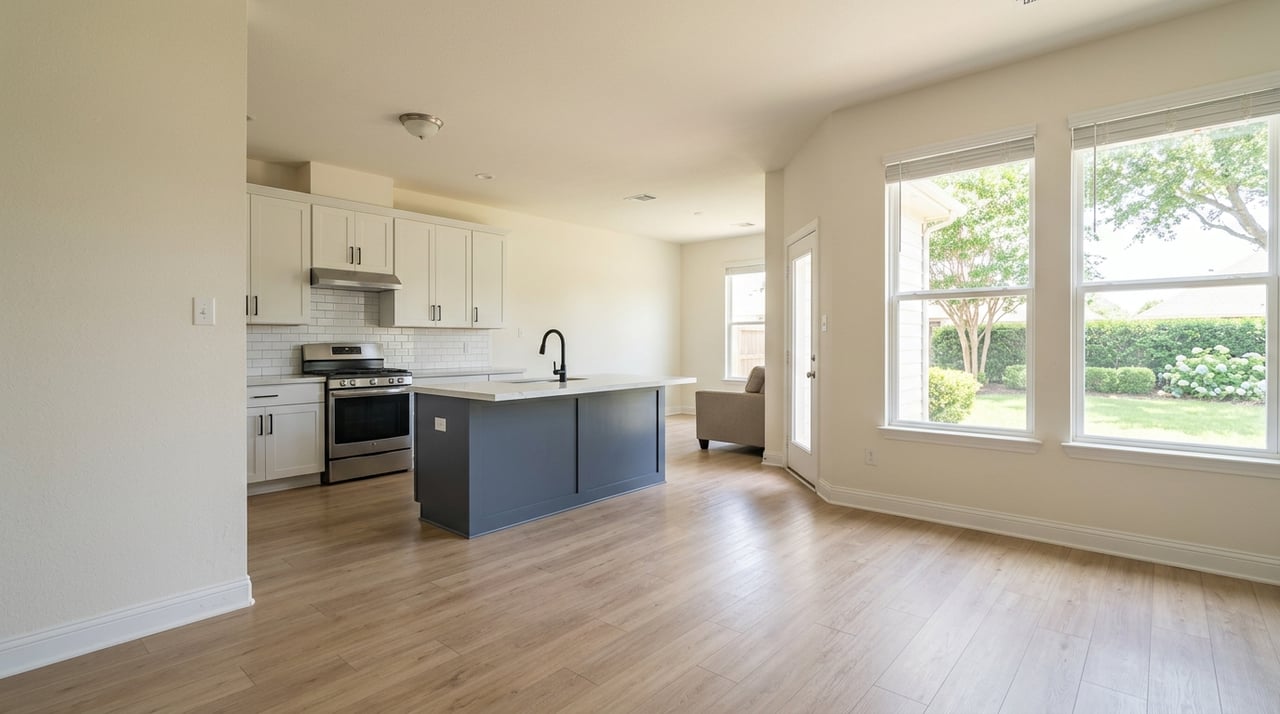
New homes can also offer floor plans that fit how many people live today, with more open layouts and newer finishes. Still, lot size is worth a close look. National housing data show many new homes are being built on smaller lots, so you should review each subdivision carefully instead of assuming every new build comes with a large yard.
In Jonesboro, newer construction is most often found in the city’s southern and eastern areas. If you prefer a newer home, you may also be choosing a different location pattern than you would in an older central neighborhood.
Look Beyond the Base Price
One of the biggest mistakes buyers make with new construction is comparing a base price to a resale home that already includes upgrades. Builders may offer incentives through upgrades like appliances or flooring instead of lowering the price, so the true cost can be different than it first appears.
When you compare options, ask what is included and what costs extra. That simple step can help you avoid surprises and give you a more accurate side-by-side comparison.
Questions to Ask on New Construction
- What features are included in the base price?
- Which upgrades cost extra?
- How large is the lot, and how much of it is usable?
- What is the expected completion date?
- What happens if the timeline changes?
- What warranty is included, and what is excluded?
What Established Neighborhoods Often Offer
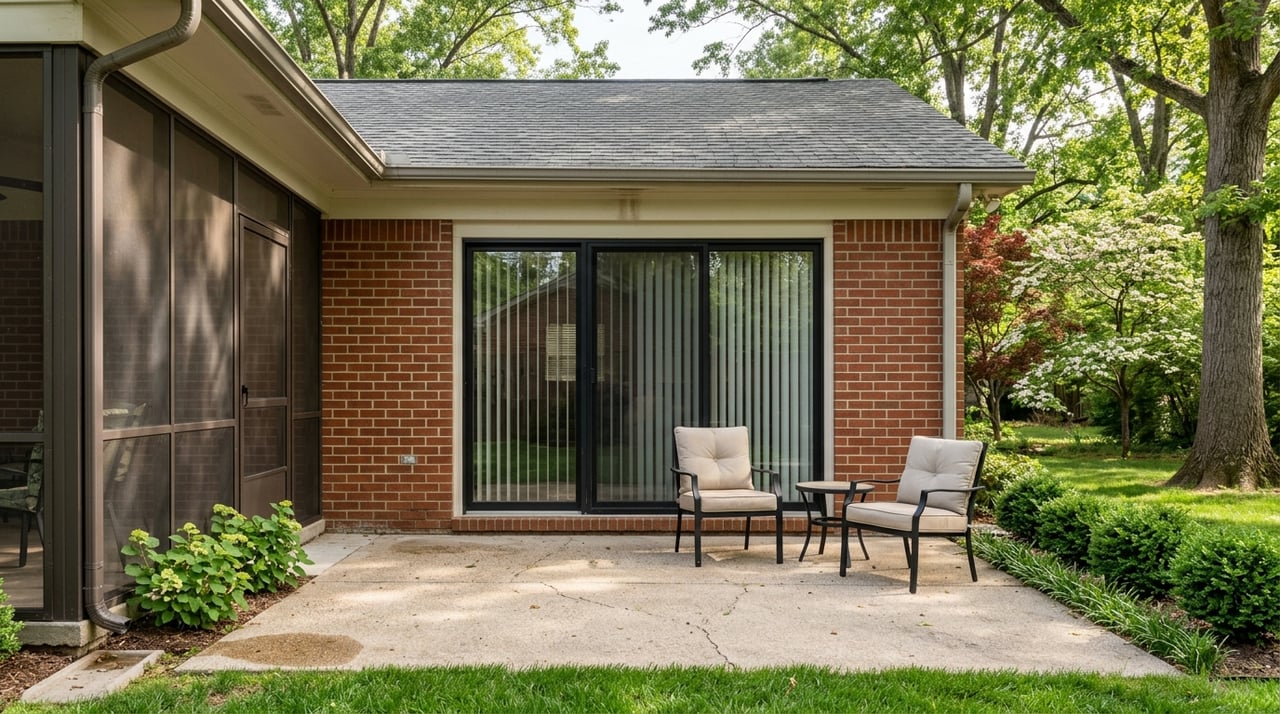
Established neighborhoods in Jonesboro can appeal to buyers who want a more central location, a different lot layout, or a lower price point than some newer homes. In some parts of the city, older homes may also sit on tighter lots with smaller footprints, including examples of homes built from the 1930s through the 1970s that measure around 800 to 1,500 square feet.
For some buyers, that older footprint works well. For others, it may feel limiting. The key is to think about how you actually live and whether the home’s layout, storage, and yard fit your day-to-day needs.
Established neighborhoods can also offer more predictability in the sense that the surrounding area is already built out. At the same time, older homes may come with aging systems, more maintenance needs, or nearby properties in mixed condition.
Condition Matters More in Older Areas
Jonesboro planning documents note that older housing stock and homes needing maintenance are mainly found in the central portions of the city. The city also points to vacant and dilapidated structures being more common in some older areas, while the Land Bank Commission works to reverse urban blight, support homeownership, and improve neighborhood stability.
That does not mean you should rule out established neighborhoods. It means you should look carefully at the specific home, the surrounding property conditions, and the likely repair needs in the first few years.
Questions to Ask on Established Homes
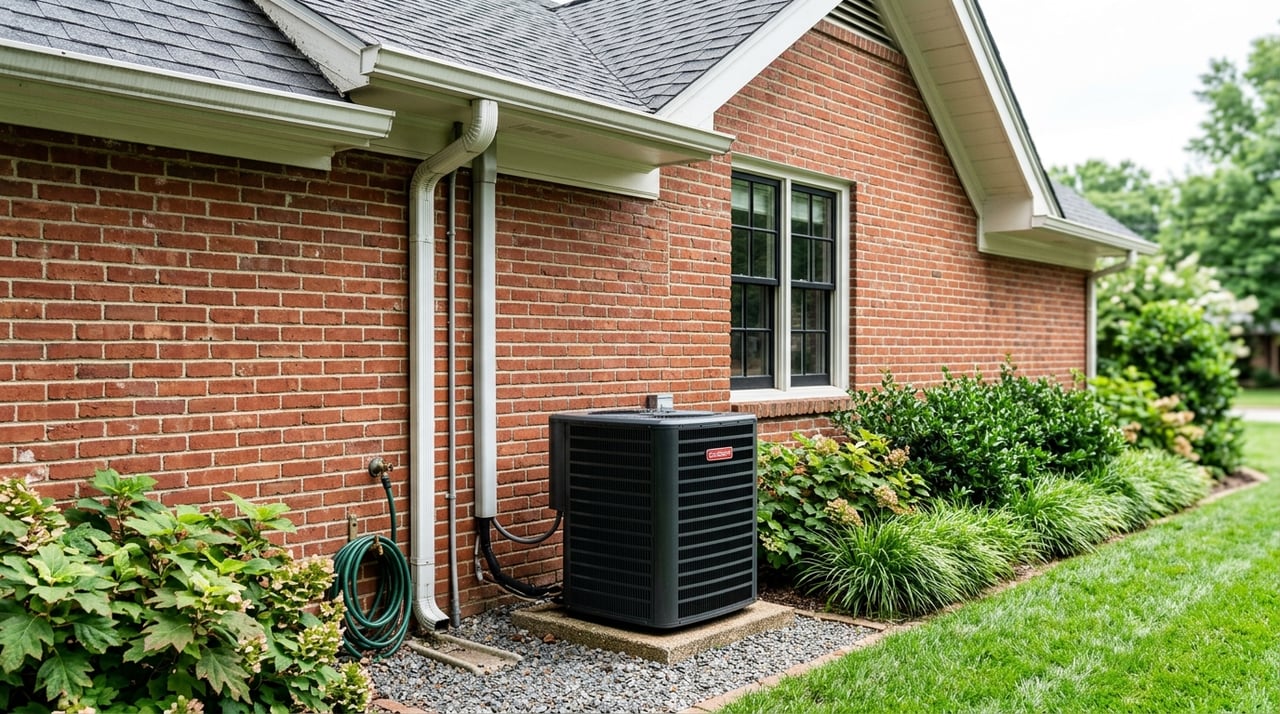
- How old are the roof, HVAC, and water heater?
- What repairs may be needed soon?
- Has the home been updated, and if so, when?
- How does the price compare with nearby recent sales?
- What is the condition of surrounding properties?
- Does the lot and layout fit your long-term needs?
Budget Differences Can Be Significant
If you are deciding between new construction and an established neighborhood, price is one of the biggest factors. Jonesboro does not move as one price market, and citywide averages can hide major differences from one area to another.
Recent market snapshots show that prices vary sharply by ZIP code. In May 2026, reported median listing prices were $345,900 in 72404, $304,990 in 72405, and $179,900 in 72401. That range shows why it is so important to compare the exact area, condition, and home type instead of relying on one citywide number.
A newer home may offer lower near-term maintenance, but the purchase price can be higher. An older home may come in at a lower price, but you may need to budget for repairs, updates, or improvements sooner.
Commute and Daily Routine Still Matter
Jonesboro’s average travel time to work is about 18 minutes, which is manageable by many standards. Even so, location still matters because your day-to-day routine is about more than an average.
A home in a newer subdivision may place you on a different driving pattern than a home in a central established neighborhood. The city’s master street plan guides future roadway construction, and Jonesboro is pursuing transportation projects intended to relieve congestion. Jonesboro also operates GOJO and JET bus routes, which can matter depending on your routine.
When comparing homes, think through the actual route you would drive most often. A small difference on paper can feel much bigger during your weekly schedule.
Resale Depends on More Than Age
Many buyers assume newer automatically means better resale, but that is too simple for Jonesboro. Based on local planning and market data, resale value appears to depend heavily on location, lot usefulness, maintenance history, updates, and pricing.
Newer-home areas do show higher homeownership rates, and they often attract strong demand. Still, an older home in an established neighborhood can resell well when it is updated, well maintained, and priced in line with local comparable sales.
If resale is important to you, think about the features that will matter to the next buyer. A functional layout, solid condition, and a location that fits common buyer needs can be just as important as the year the home was built.
How to Decide What Fits You Best
The right answer depends on your priorities, not just the age of the home. If you want lower immediate maintenance, modern finishes, and a move-in-ready feel, new construction may be the stronger fit.
If you care more about a central location, a different price point, or the character of an established area, an older neighborhood may offer better value for your goals. Neither option is always better. The best choice is the one that matches your budget, timeline, lifestyle, and comfort with future upkeep.
A Simple Side-by-Side Comparison
| Factor | New Construction | Established Neighborhoods |
|---|---|---|
| Home condition | Typically brand new systems and materials | May include older systems and repair needs |
| Design | Modern layouts and finishes | Varies widely by age and updates |
| Lot size | May be smaller than expected | Can vary, with some older areas having tighter lots |
| Location pattern | More common in south and east Jonesboro | More common in central Jonesboro |
| Upfront costs | Base price may not include all upgrades | Repairs or updates may add to total cost |
| Resale factors | Strong demand in newer-home areas | Can resell well with updates, condition, and correct pricing |
Work the Numbers and the Details
Before you choose, it helps to compare more than photos and list prices. Look at the full monthly payment, likely repairs, lot utility, commute pattern, and how long you plan to stay in the home.
This is also where strong guidance matters. A careful comparison can help you avoid overpaying, missing hidden costs, or choosing a home that does not fit your day-to-day life as well as it seemed at first.
Whether you are leaning toward a brand-new build or an older home with potential, the smartest move is to evaluate each option on its own facts. If you want clear, local guidance and strong advocacy while you sort through the choices, Kay L Doss is here to help you schedule a free consultation.
FAQs
Should I buy new construction or an older home in Jonesboro?
- The best choice depends on your budget, preferred location, maintenance comfort level, and how important modern finishes are to you.
Where is new construction most common in Jonesboro?
- Local planning documents indicate that newer housing is concentrated mainly in the southern and eastern parts of Jonesboro.
Are established neighborhoods in Jonesboro usually cheaper?
- They can be, but not always. Price depends on the specific area, condition, updates, and local comparable sales.
Do new homes in Jonesboro come with large yards?
- Not necessarily. Many new homes are built on smaller lots, so you should verify lot size and usable yard space for each property.
What should I inspect when buying an older Jonesboro home?
- You should pay close attention to major systems like the roof, HVAC, plumbing, and water heater, along with the home’s overall maintenance history.
Do I still need an inspection on a new construction home in Jonesboro?
- Yes. Even with a new home, you should understand the warranty, verify what is covered, and have the property inspected before closing.