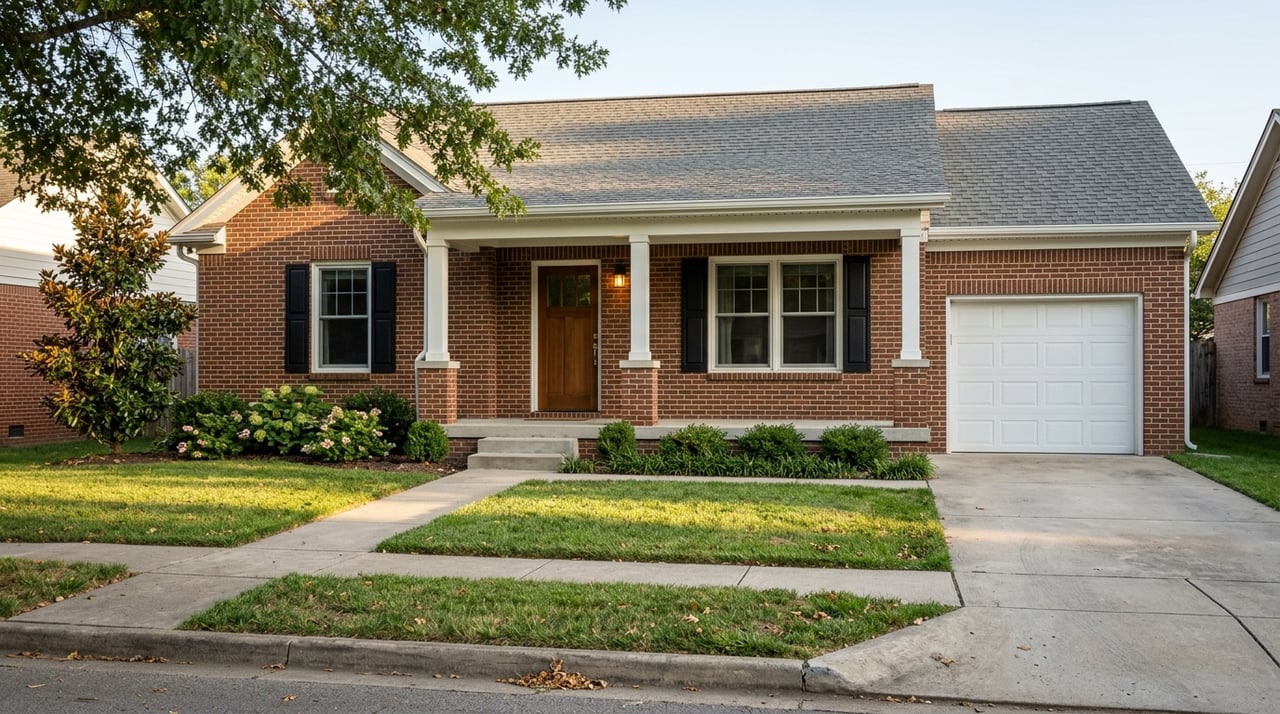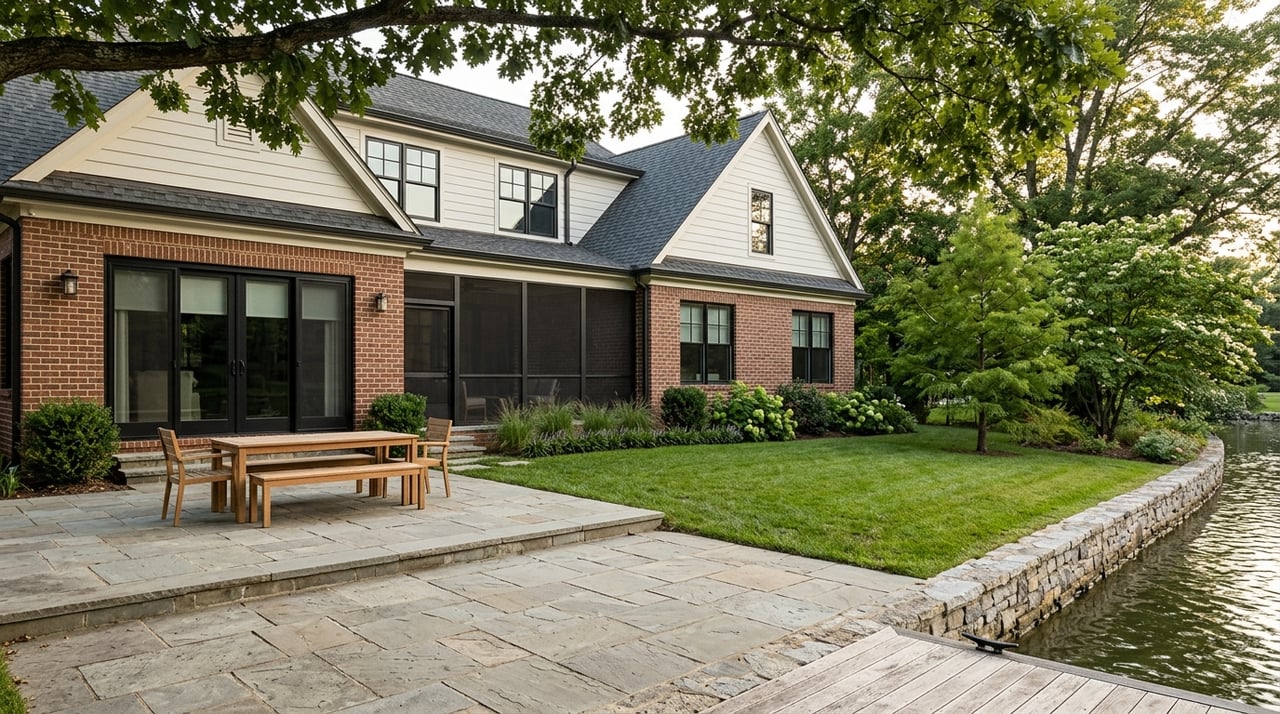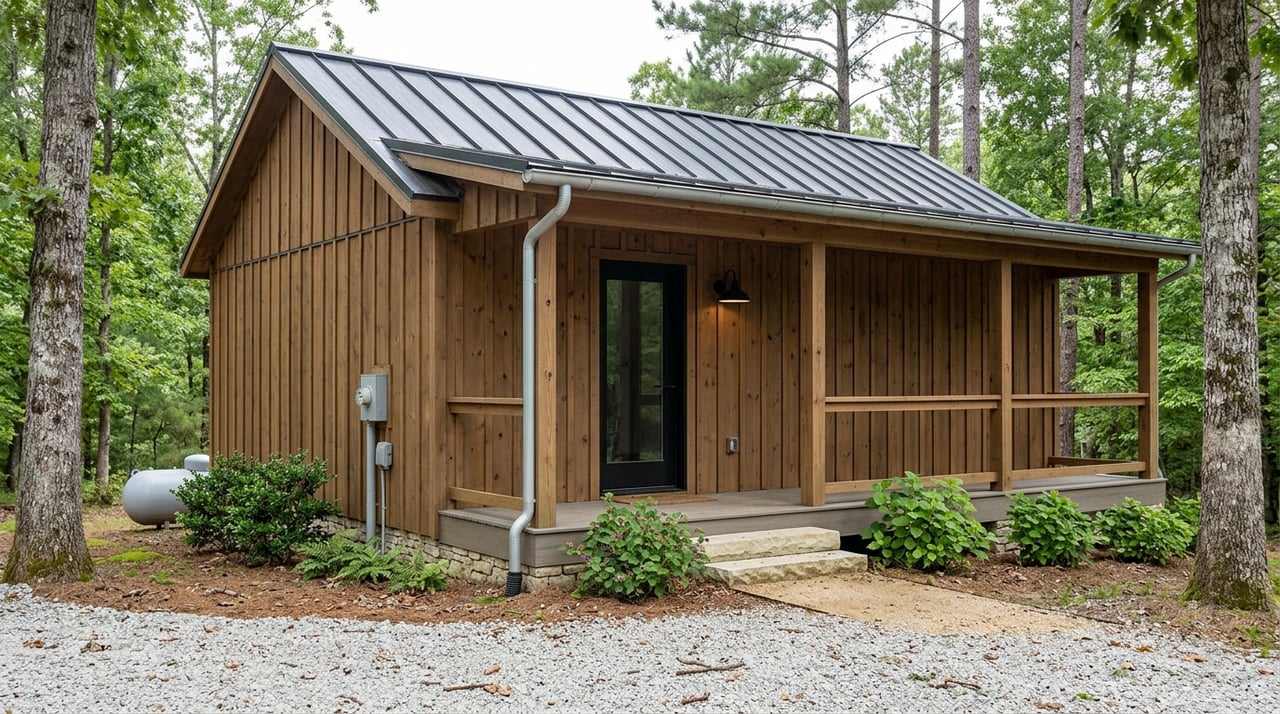
Buying a cabin in Hardy can sound simple at first: find a place near the river, make an offer, and start planning weekends away. But with cabin properties, the details behind the scenery matter just as much as the view. If you want to buy with confidence, it helps to understand utilities, flood risk, taxes, and upkeep before you get to closing. Let’s dive in.
Why Hardy cabin buying is different
Hardy is not just any small town listing location. It is a Spring River community in the Ozark foothills, and the setting is a big part of why buyers look here in the first place. According to the City of Hardy, the area is closely tied to river recreation, parks, and outdoor access.
That matters because when you buy a cabin in Hardy, you are often buying more than a structure. You are also buying into access, seasonal use, and a property style that may work as a personal retreat, a full-time home, or possibly a rental, depending on your goals. The city’s lodging tax on cabins and vacation rental houses also shows that these properties sit at the intersection of lifestyle and hospitality use.
Confirm the county first
One of the first things to verify is which county the cabin is actually in. Hardy spans both Sharp and Fulton counties, so you do not want to assume the parcel falls under one county just because of the mailing address or general location.
This affects records, taxes, and permitting. Before you move forward, make sure you know which county handles the property so you can confirm the right tax information, assessment details, and any local requirements tied to ownership.
Check water, sewer, and utility setup
Cabin buyers should ask a simple question early: is this property on city utilities, private systems, or a mix of both? That answer can shape your budget, maintenance needs, and due diligence list.
If the cabin is connected to city water, review current utility information carefully. The City of Hardy water report says the system draws from two wells in the Gunter Sandstone Aquifer, and the source water assessment found high susceptibility to contamination. That does not mean there is a problem with a specific property, but it does mean recent water-quality information is worth reviewing.
The city’s municipal code also addresses utility deposits, seasonal disconnects, and responsibility for utilities in rental homes. Since the city also posts documents including a 2025 rate study, it is smart to confirm current charges directly with city hall instead of relying on older figures you may find elsewhere.
If the cabin has a well or septic system
If the property is not on city water or sewer, your checklist gets longer. The Arkansas Department of Health oversees onsite wastewater permit applications, and Arkansas requires licensed contractors for water-well drilling and pump installation.
Before closing, ask for:
- Septic permit records
- Age of the tank and system
- Pumping and maintenance records
- Well logs
- Recent water-test results
These items can help you understand whether the systems have been properly installed and maintained. They also give you a clearer picture of likely repair or replacement costs after purchase.
Review flood risk by exact address
In a river community like Hardy, flood risk should never be treated as a side note. Even if a cabin looks elevated or seems far enough from the water, the actual flood map for that address is what matters.
FEMA says the Flood Map Service Center is the official source for flood-hazard maps. Flood-related guidance from FEMA also notes that flood insurance is separate from homeowners insurance, and even a small amount of floodwater can cause major damage.
What to look into before you buy
Use the exact property address to check flood-hazard information. Then, if you are considering renovations, additions, or other major changes later, contact the local floodplain administrator before making plans.
This step can help you avoid surprises with insurance, future improvements, and long-term carrying costs. A cabin near water may offer the lifestyle you want, but you should know the tradeoffs before you commit.
Plan for seasonal vacancy
Many Hardy cabin buyers do not plan to live in the property year-round. If that sounds like you, seasonal vacancy needs to be part of your decision from day one.
A cabin that sits empty for part of the year needs more than basic cleaning. According to extension guidance on preventing frozen pipes, owners should consider shutting off water, draining plumbing lines, insulating exposed pipes, and using heat only when needed during freezing weather.
Hardy’s code also provides a seasonal-resident disconnect process that stops water, sewer, and trash billing until service is reactivated. It also says that vacant property not actually using the sewer system is not subject to sewer charges if the owner can prove vacancy. That makes your occupancy plan part of your budget strategy, not just your personal schedule.
Watch for moisture problems
Cabins can be especially vulnerable to moisture issues, particularly when they are vacant for stretches of time. A beautiful rustic interior can hide problems that become expensive fast if you do not catch them early.
The University of Minnesota Extension notes that excess moisture often shows up as condensation, mildew, mold, and peeling paint. Moisture can also affect crawlspaces, window areas, rooflines, and spots around chimneys or foundations.
Moisture checklist for Hardy cabins
As you tour a property, pay close attention to:
- Roof leaks or stained ceilings
- Fogging or condensation at windows
- Musty smells
- Poor bath or kitchen ventilation
- Damp crawlspaces
- Signs of water intrusion near the chimney or foundation
These issues are not always deal-breakers, but they do affect your repair budget and negotiation strategy. A careful inspection can tell you whether the cabin needs a few manageable fixes or a much larger moisture-remediation plan.
Understand taxes and recurring costs
The purchase price is only one part of cabin ownership. You also need to look at taxes, utility costs, maintenance, and whether the property will qualify for any tax relief.
The Arkansas property tax relief guidance says the homestead property tax credit applies to a homestead used as the owner’s principal residence. A weekend cabin generally will not qualify if it is not your primary home, so it is important to confirm eligibility with the county assessor.
If you plan to rent the cabin short-term, Hardy’s lodging ordinance levies a 3% tax on cabins, vacation rental houses or rooms, bed-and-breakfasts, campgrounds, condos, and similar accommodations for profit, but not on stays of 30 days or more. Also, for city-connected rental property, the code places final responsibility for water, sewer, and trash on the property owner.
Common ongoing cabin costs
Most cabin owners should budget for more than cosmetic updates. Recurring costs often include:
- Roof repairs
- Insulation and air sealing
- Moisture control
- Septic pumping
- Well maintenance or water testing
- Utility service and reconnect fees, if applicable
According to University of Maryland Extension guidance on septic maintenance, conventional septic tanks are commonly pumped every 3 to 5 years depending on tank size and occupancy. Even a lightly used cabin still needs infrastructure planning.
Match the property to your goals
Not every cabin fits every buyer. Some properties make more sense as a personal getaway, while others may be better suited for full-time use or a more active ownership plan.
Before you make an offer, ask yourself a few practical questions:
- Will you use the cabin seasonally or year-round?
- Are you comfortable managing well, septic, or both?
- Do you want river access, or just proximity to outdoor recreation?
- Are you prepared for vacancy-related maintenance?
- If rental use is part of the plan, have you reviewed taxes and utility responsibility?
The right cabin is not just the one with the best photos. It is the one that works with your budget, your timeline, and the level of upkeep you are realistically ready to handle.
A smart cabin purchase starts with due diligence
Buying a cabin in Hardy can be a great lifestyle move, especially if you love the outdoors and want a property with character. The key is to look beyond charm and focus on the details that affect ownership month after month.
When you verify the county, review utility setup, check flood maps, inspect for moisture, and budget for real carrying costs, you put yourself in a much stronger position to buy wisely. If you want a local guide who will help you think through the details and advocate for you every step of the way, connect with Kay L Doss to schedule a free consultation.
FAQs
What should you check before buying a cabin in Hardy?
- You should confirm the county, utility setup, flood risk, water or septic records, moisture issues, and expected recurring ownership costs.
Does a cabin in Hardy need flood insurance?
- Flood insurance depends on the property’s specific flood risk, so you should check the exact address through FEMA’s official flood map tools and review insurance requirements with your provider.
Are Hardy cabins connected to city water and sewer?
- Some may be on city services, while others may rely on private wells or septic systems, so you should verify each property individually before closing.
Can you use a Hardy cabin as a short-term rental?
- Some cabin-style properties may be used as rentals, but you should review Hardy’s lodging tax rules, utility responsibility, and any applicable local requirements before moving forward.
Does a second-home cabin in Arkansas qualify for the homestead tax credit?
- A cabin that is not your principal residence generally will not qualify for the homestead property tax credit, so it is best to confirm your situation with the county assessor.
What maintenance issues matter most for cabins in Hardy?
- Water intrusion, moisture buildup, winterization needs, roofing, insulation, septic upkeep, and water-quality checks are all important issues to review before and after purchase.